
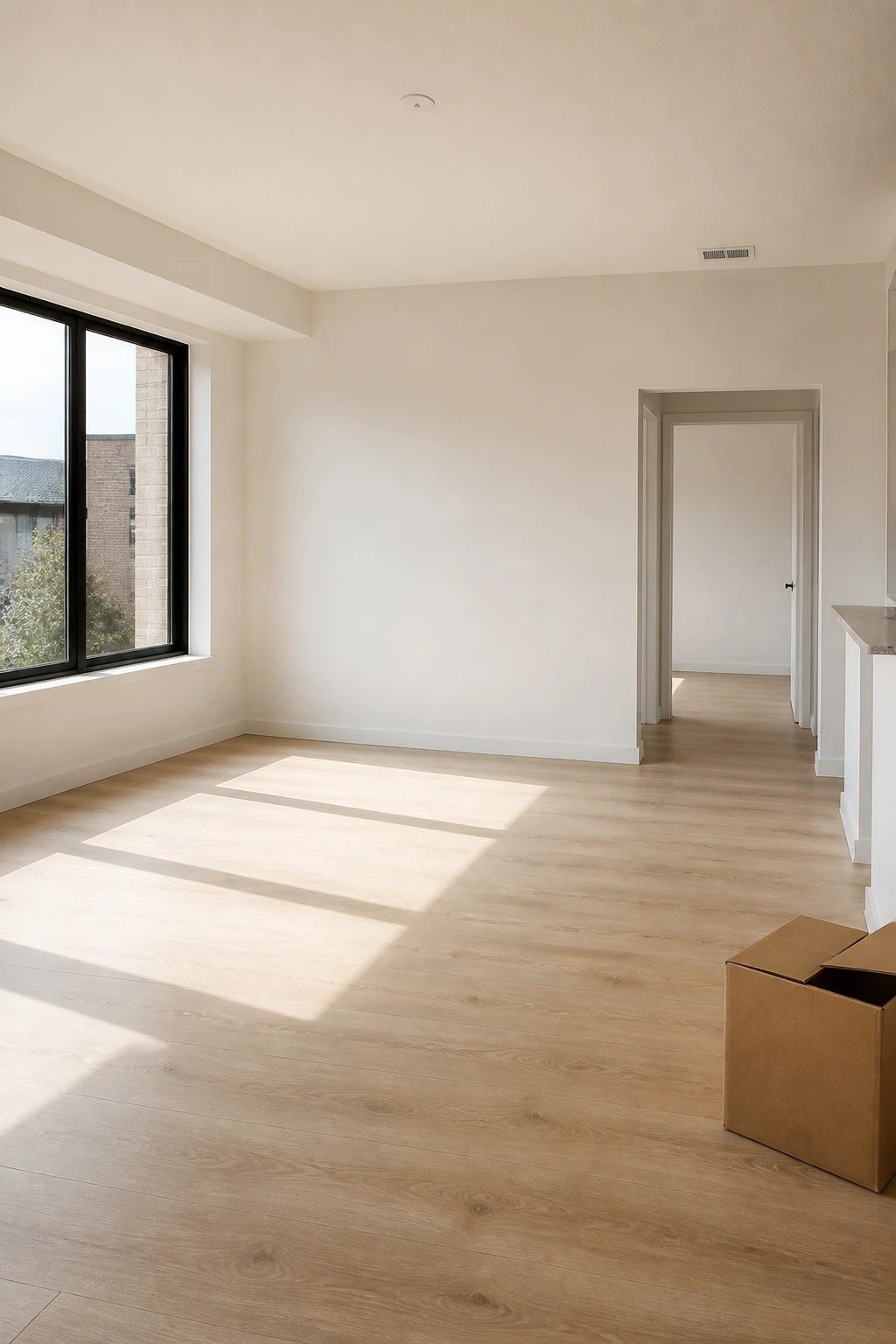
The tenant moved out. The real work starts before you pick up a mop.
An empty unit has a particular echo. Every footstep sounds like you're trespassing in your own property. And the first thing you notice, before you've even checked a single room, is how many things you suddenly want to fix.
I'd put the mop down. (I know. It's the satisfying part.) Grab a clipboard, your phone and the move-in report instead, and walk the whole place before you change anything. A turnover goes faster when you know what you're dealing with, and it goes a lot smoother when the unit's condition is written down before anyone starts cleaning over the evidence.
Walk it first, fix it second
Do one full lap with nothing in your hands but the clipboard. Compare what you see to the move-in condition report and photos. Note what's different, take a photo of it, and keep going. The point of this lap is a list, not a repair.
Take a wide shot of each room, then close-ups of anything you write down. Dated photos in one folder beat a camera roll full of mystery pictures every time.
Security deposit rules, deductions and timelines vary by location, so check yours before you decide what to charge for or when to send paperwork. I'd keep the wear-and-tear question for after the list exists, not during the walk.
Then go room by room
Entry and keys
- Count every key, fob, garage remote and mailbox key against what was issued. Write the number down.
- Test the lock and deadbolt. Decide whether you're rekeying or changing locks, and check what your state or lease requires.
Living areas
- Walls: marks, holes, scuffs, paint that has seen things.
- Floors: stains, scratches, worn spots, loose boards or carpet seams.
- Windows and blinds: open, close, lock, and check for cracks and bent slats.
- Light fixtures, outlets and switches: flip and plug in. Don't assume.
- Ceiling: a stain or a soft spot means someone is about to have a conversation with plumbing or the roof, and it's probably you.
Kitchen
- Run and open everything: oven, burners, fridge, freezer, dishwasher, disposal, range hood.
- Check under the sink with a flashlight for drips, damp cabinet floors or new mildew smell.
- Cabinet doors and drawers: hinges, handles, and that one door that's been hanging on by optimism.
Bathrooms
- Flush the toilet and watch the base for movement or leaks.
- Check caulk around the tub, sink and shower, plus the drain speed and the fan.
- Run hot water, check the pressure and look under the vanity for damp spots.
Bedrooms and closets
- Doors, closet rods and shelves, flooring, windows.
- The wall behind the bed. Furniture leaves a signature, and it's usually back there.
The stuff nobody sees
- Test every smoke and carbon monoxide alarm. Replace anything chirping, missing or past its date.
- Swap the HVAC filter and write the date on it.
- Check the thermostat, the water heater area for leaks, and any GFCI outlets.
Outside, laundry and storage
- Patio or balcony, mailbox, storage space, laundry hookups, exterior lights.
Sort the list before you start the work
Once the lap is done, sort every note into one of three piles: clean, repair or replace. Then think about order, because some of this has lead time and some of it undoes the rest.
- Book the trades first. Painters, flooring and appliance repairs have the longest wait.
- Do repairs and paint before the deep clean, so you only clean once.
- Save the final photos for the very end, when the unit is actually ready.
The same walk-through, done at move-in, is the other half of the record. It's the reason I'd rather do a proper move-in checklist than rely on memory.
The mop will wait ten minutes. I promise it'll still be there.
General information, not legal advice. Security deposit, move-out inspection and notice requirements vary by location and lease. Check the rules that apply to your property before acting.