
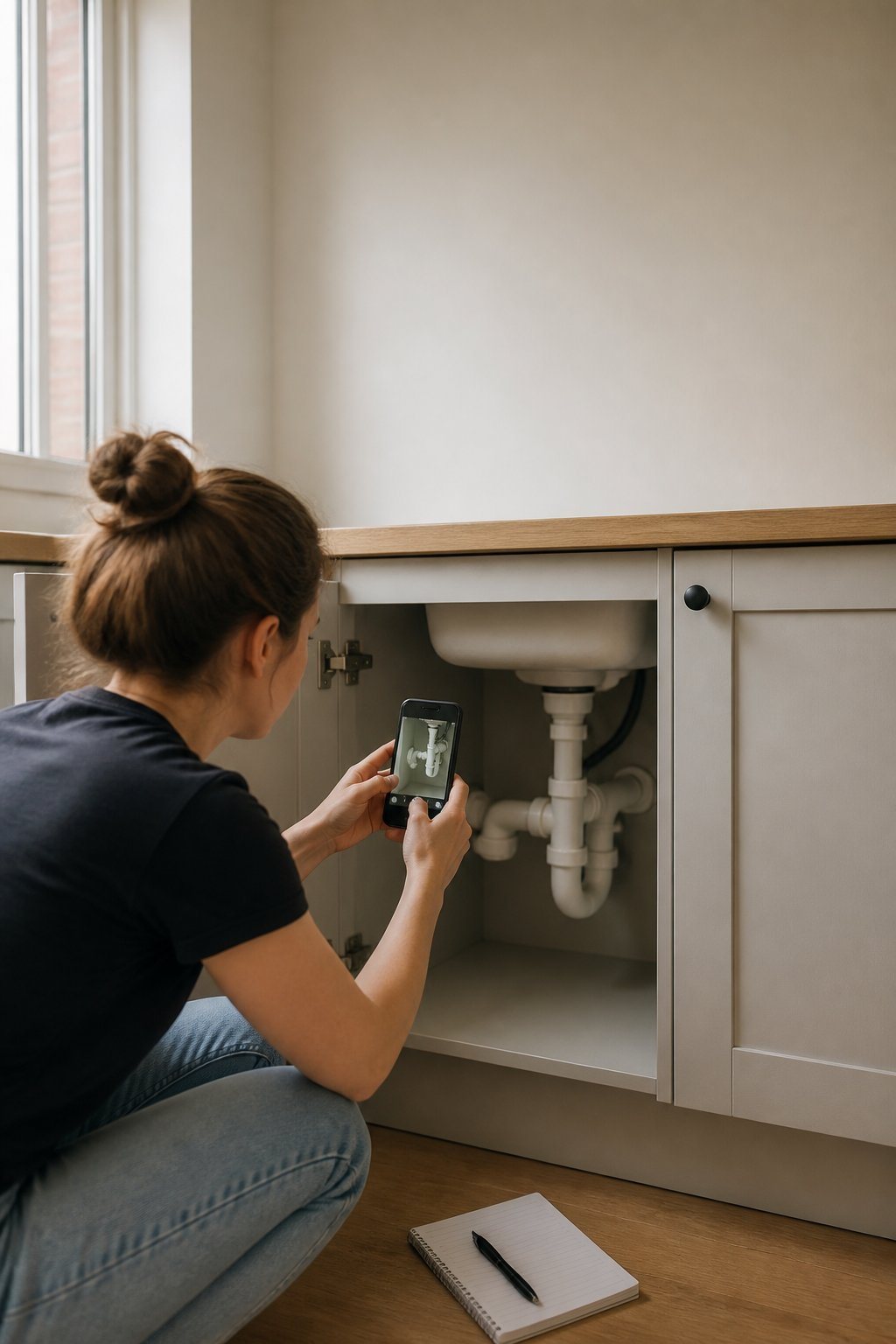
A routine inspection is about caring for the property, not looking for something to catch.
Let's say you have the tenant everyone hopes for. Rent shows up before it's due. They never call with a complaint. They keep the place tidy and treat it like their own.
So you leave them alone. It feels respectful, and honestly, it feels like the reward for finding a good one. You don't want to be the landlord who hovers.
Two years go by.
(This scenario is hypothetical and is here to illustrate the topic.)
I want to be clear about what this story isn't. Nothing dramatic is about to happen. The tenant hasn't quietly wrecked the house, and I'm tired of advice that hints they might have. The house is fine. The tenant is great.
But a great tenant is still not a building inspector.
Small things don't announce themselves
Someone who lives in a house isn't examining it. They're making dinner and finding their keys. A slow leak under a sink doesn't bother anyone until it's a bigger problem. Caulk ages. A supply line wears. Moisture builds up behind a cabinet. Paint and trim weather on the outside. A gutter works itself loose.
None of that is anybody's fault, and a lot of it is invisible unless someone's looking with a landlord's eyes. Property managers inspect on a schedule for exactly that reason. Houses age whether or not anyone is careless. (I wrote about what a failed supply line under a sink can turn into, and that one was real.)
What it looks like when it's kind
It doesn't have to feel like a review of how they live.
Give notice the way your lease and local rules require, and check those rules before you schedule anything. Then tell them why. Something like: "I like to look over each home regularly so small things don't turn into big ones. If there's anything you've been meaning to mention, this is a good time."
Keep it short and focused: under the sinks, ceilings and walls for stains, windows and doors, smoke and carbon monoxide detectors, the HVAC filter, the outside of the house. Write down what you find, take a few photos, and follow up on repairs promptly. Your tenant will notice when you do.
You're not looking at their belongings or judging their housekeeping. You're looking at the house.
What I'd want them to know
Inspecting doesn't mean you doubt them. It means you're looking after the place they live in.